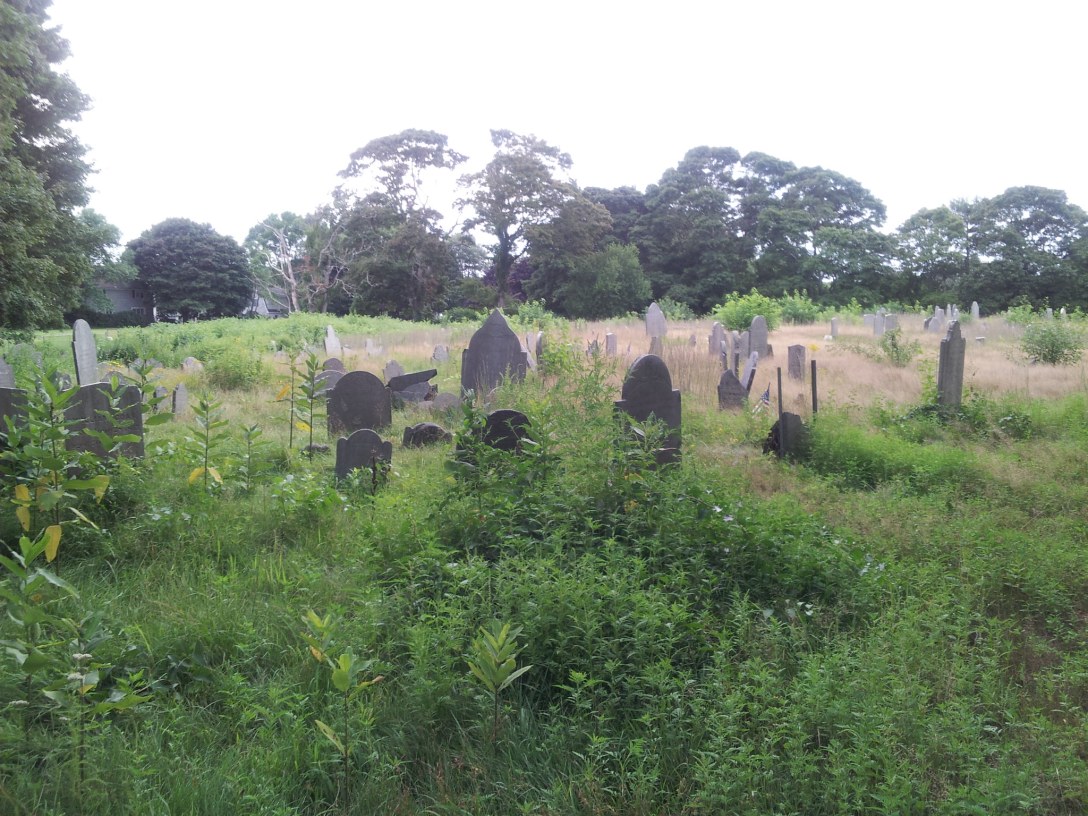
It started with a nearly finished novel, three dedicated volunteers, and a donated weed wacker.
I used to be a museum girl. I love old places and objects and the stories behind them. At my core, I am still a museum girl. Back in 2014, I was working as the site manager at the Sargent House Museum in Gloucester, Massachusetts and the season was coming to an end. I decided to challenge myself to write a novel in a month. It was my own version of NaNoWriMo (National Novel Writing Month), though it wasn’t November. Every day I put so many words onto the page. I was nearly finished but was struggling to find inspiration to finish the last chapter which took place in a burying ground in Gloucester. I decided a visit was in order. I Googled “Historic burying ground Gloucester” and that search brought me to First Parish Burying Ground on Centennial Avenue, established in 1644.
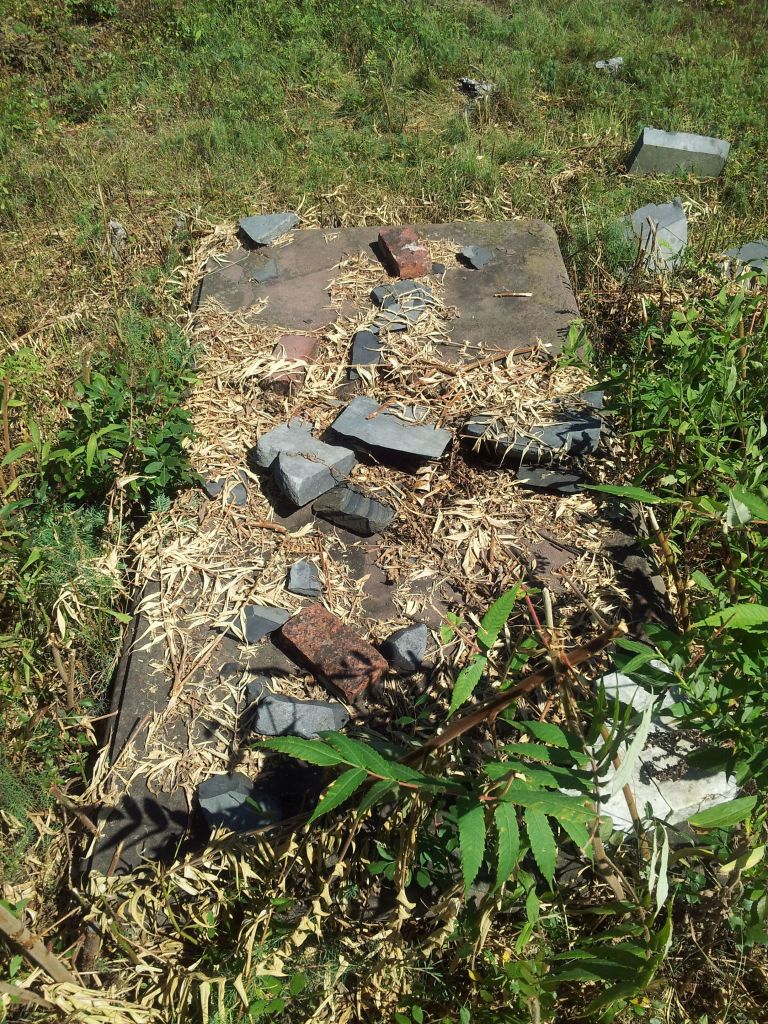
Co-founder, Joshua Gerloff, went with me on my research mission. What we found was like nothing we had seen before. The weeds at the entrance were up to our shoulders. We had to wade through them just to reach the main part of the burying ground. Inside, we found gravestones in pieces. At first we assumed vandalism, but later I read an historical account describing how the granite behind the site was blasted through for the railroad tracks. A child’s account of granite flying through the air like a flock of birds, shattering gravestones and nearby windows. On those broken headstones I recognized names of people whose stories I was telling at the museum downtown.
Because of my work, I knew there were people dedicated to saving historic houses but it seemed not too many people saving burying grounds. I felt that I had the right combination of experience and love of hands-on work to make a difference. Also, my incurable sense of curiosity was looking for an adventure outside.
I remember the message I sent to a new friend, Crystal Daly, who became an original member of our team.
“Do you want an adventure?”
Her one word answer?
“Yes.”
And like that, the three of us set out to save First Parish Burying Ground.
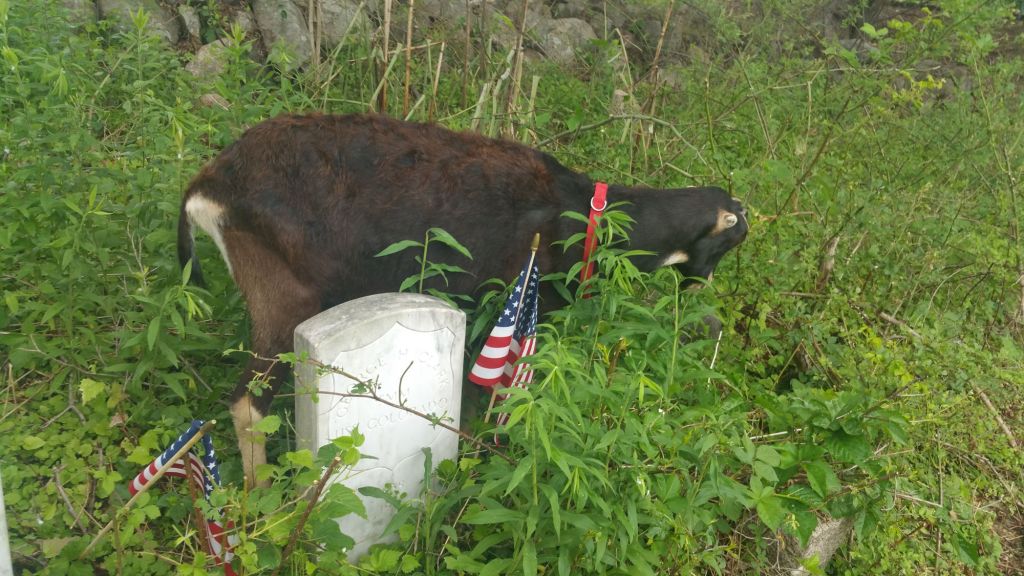
I told Josh, whose background was in organic landscaping, we needed a weed wacker so people could reach the gravestones, but we had almost no money. I called around and connected with Helen McCabe, who had been trying to help the burying ground for years, who donated hers to us. That got us started, and a call to the city resulted in them mowing. Helen, in a last effort, had arranged for goats to control the weeds around the time we discovered the site. We ended up bringing them in twice. They climbed, so we kept them away from the more fragile and climbable stones, and one night in a nor’easter they had to be rescued.
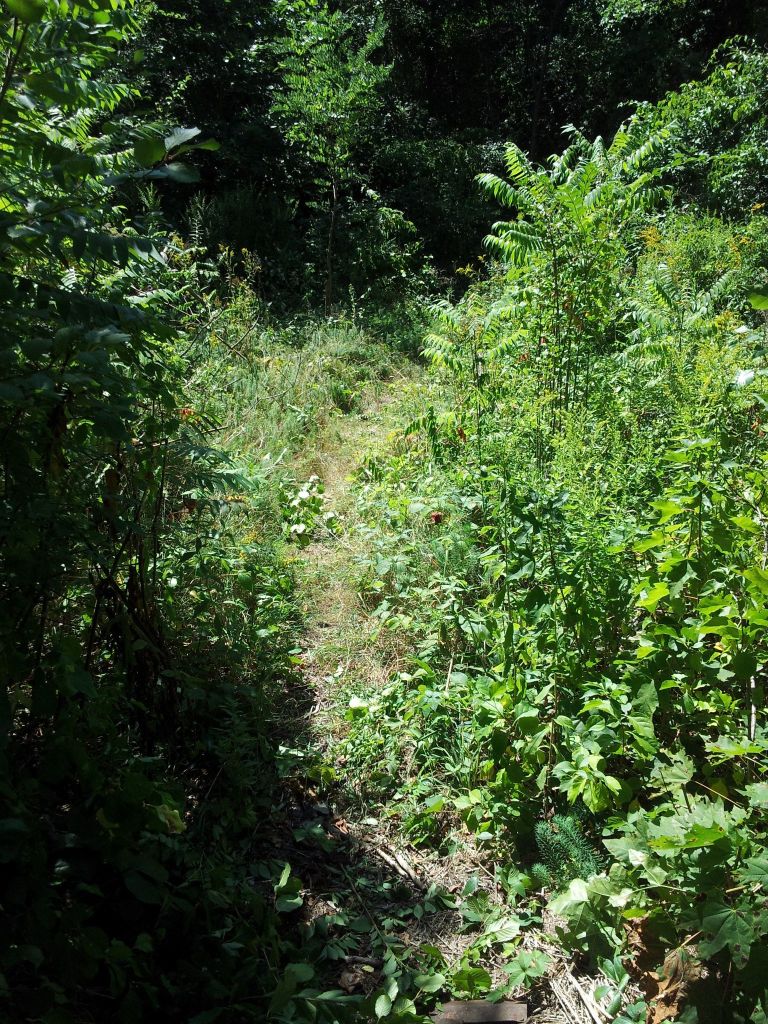
Later, a trip to the City archives revealed another surprise. We learned there was another small cemetery hidden behind First Parish Burying Ground. We had to be shown its entrance on a map. Clark Cemetery, was buried under vines and pricker bushes from ground to treetop, and only accessible by walking through First Parish Burying Ground. Its original entrance had been blocked by the railroad tracks. We spent two years clearing it by hand, with scythes, loppers and saws. We pulled volunteers from the community who were eager to work on these sites along the way. An Awesome Gloucester grant let us buy tools.
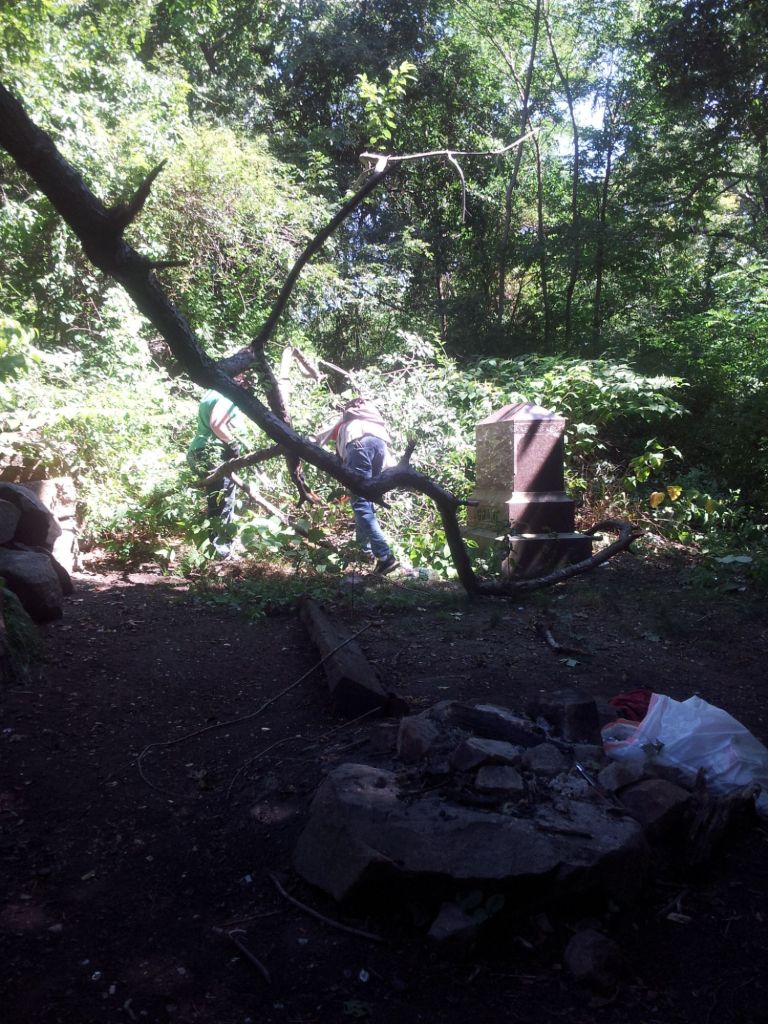
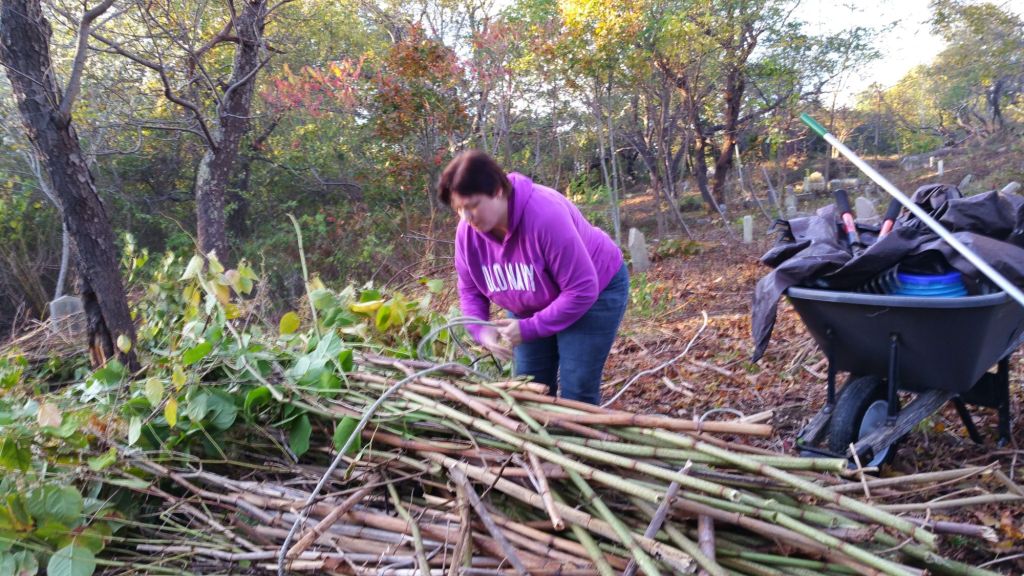
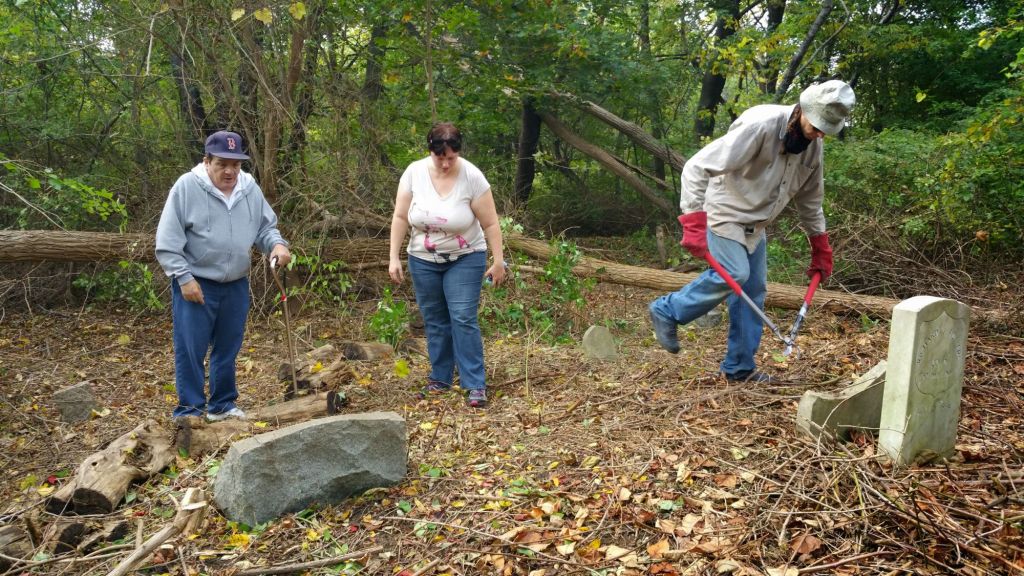
The neglect had consequences beyond overgrowth. A neighbor told us her grandmother’s stone was being used as a fire pit, and people were camping in hidden corners and there were syringes all over the place. Out of sight, it had been used as a place to party for generations.
Early on, even though we weren’t residents, we reached out to the Gloucester Historical Commission and joined their historic burying ground subcommittee, which gave us access to training and a small budget which we stretched. We hired teachers like Cheryl Caputo from the Friends of Burial Hill in Plymouth, who with Ted Kenari, the inventor of D2, taught us simple cleaning and resetting. Later TaMara Conde, from Historic Gravestone Services in New Salem, taught us mortar repairs, epoxying, and pouring bases. She has been our mentor ever since. In the early years, as we were building up our confidence, we were in constant contact with TaMara Conde who is an incredible conservator.
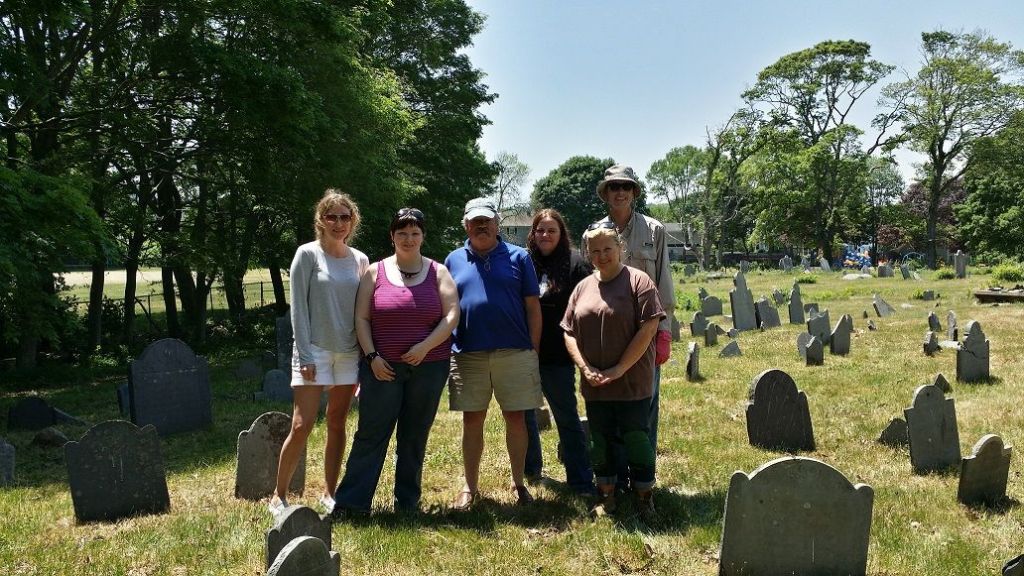
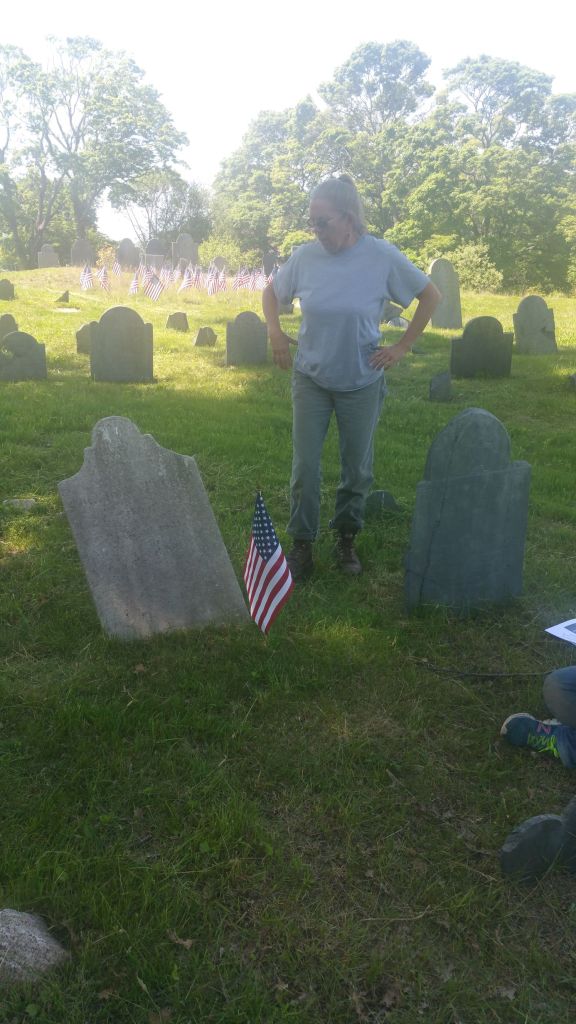
I did a deep dive into the sites. I combed through photos and files left at the DPW by the late Edie Sparling who had worked for decades trying to save these sites who had long since left Gloucester. I felt her determination and her frustration as the grounds slipped back again and promised her, over a phone call, we would to try to do her proud.
Two years in, I could no longer be a full-time volunteer and had to return to paid work. A city commission was formed from volunteers that lived in town who I felt confident could carry the project forward. It was a relief when they were sworn in.
I thought after two years of non stop advocating as the figurehead of the project, I would take a break. I was wrong. I loved it too much and our burying grounds needed us. Shortly after, First Parish Church in Newbury offered us a grant to work in their burying ground, which meant starting a business.
We started in this field 12 years ago, and next year will be our tenth year as Epoch Preservation. In that time we have worked with our crew, interns, and volunteers on thousands of gravestones, from simple cleanings to complex repairs, saving these important artifacts of history across the region. We have had the honor of working with remarkable preservationists, dedicated historical and cemetery commissions and historical societies. The municipalities, organizations, and individuals we work for and with have big hearts that want to honor their past. And I am proud to know we are leaving a legacy of historic preservation.
We have grown into a busy conservation business, but we always make room for new projects and it brings us joy to answer your questions. Never hesitate to reach out.


